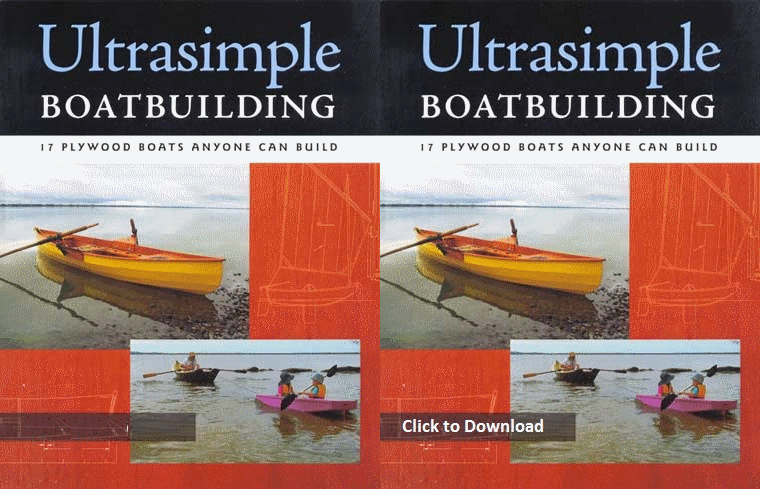


 www.pinterest.com
 Introduction: Building a Classic Wooden Boat – A DIY ProjectEmbarking on a wooden boat building project is a rewarding endeavor, connecting you with maritime history and offering a tangible sense of accomplishment. This guide outlines the basic steps to construct a small, simple wooden boat, perfect for beginners. Remember safety is paramount, and proper planning and execution are essential for a successful build.
Step 1: Choosing a Plan and Gathering MaterialsFirst, select a plan that suits your skill level and intended use. A simple skiff or dinghy is a good starting point. Popular choices include the Stitch and Glue method. Once you have your plan, compile a detailed materials list. Essential items include: Marine-grade plywood Epoxy resin and hardener Wood flour (for epoxy filler) Fiberglass tape Fasteners (screws, nails, or staples suitable for marine use) Woodworking tools (saw, drill, sander, etc.) Measuring tools (tape measure, square, etc.) Personal protective equipment (gloves, safety glasses, respirator)
Step 2: Cutting the Plywood PanelsCarefully transfer the dimensions from your plan onto the plywood sheets. Use a precise cutting method, such as a circular saw or jigsaw, to cut out the necessary panels. Accuracy is crucial for proper assembly. Ensure all cuts are clean and square. Label each panel clearly according to your plan.
Step 3: Assembling the Hull (Stitch and Glue Method Example)The Stitch and Glue method involves temporarily joining the plywood panels together using wire (or zip ties). Align the edges of the panels according to the plan and "stitch" them together. Once the hull shape is formed, mix epoxy resin and hardener according to the manufacturer's instructions. Apply a thickened epoxy mixture (using wood flour as a filler) to the seams, creating strong, watertight joints. Once cured, remove the temporary stitches.
Step 4: Fiberglassing the SeamsApply fiberglass tape to the inside and outside of the seams. This adds significant strength and water resistance. Wet out the fiberglass tape with epoxy resin, ensuring it is fully saturated and free of air bubbles. Allow the epoxy to cure completely. Sand the fiberglass seams smooth to create a fair surface for painting or varnishing.
Step 5: Adding Structural ElementsDepending on your plan, you may need to add structural elements such as frames, bulkheads, or a keel. These components reinforce the hull and provide additional support. Attach these elements using epoxy and fasteners. Ensure proper alignment and secure attachment for structural integrity.
Step 6: Finishing the BoatSand the entire boat thoroughly to prepare it for finishing. Apply multiple coats of marine-grade paint or varnish, following the manufacturer's instructions. This protects the wood from the elements and enhances its appearance. Consider adding non-skid surfaces to the deck and cockpit for safety.
Step 7: Installing HardwareInstall hardware such as cleats, oarlocks, a rudder (if applicable), and any other desired accessories. Use marine-grade hardware to resist corrosion. Ensure all hardware is securely fastened to the hull.
Conclusion: Launching Your DIY Wooden BoatCongratulations on building your own wooden boat! Before launching, carefully inspect all seams and hardware for any leaks or weaknesses. Ensure you have all necessary safety equipment, such as life jackets and a paddle. With proper care and maintenance, your handcrafted wooden boat will provide years of enjoyment. Remember to always operate your boat responsibly and within its design limitations.
Home
 vintagewoodenboat.it
 Classic Wooden Boat Plans
 www.classicwoodenboatplans.com
 Marc Sureda
www.pinterest.com

0 komentar:
Posting Komentar